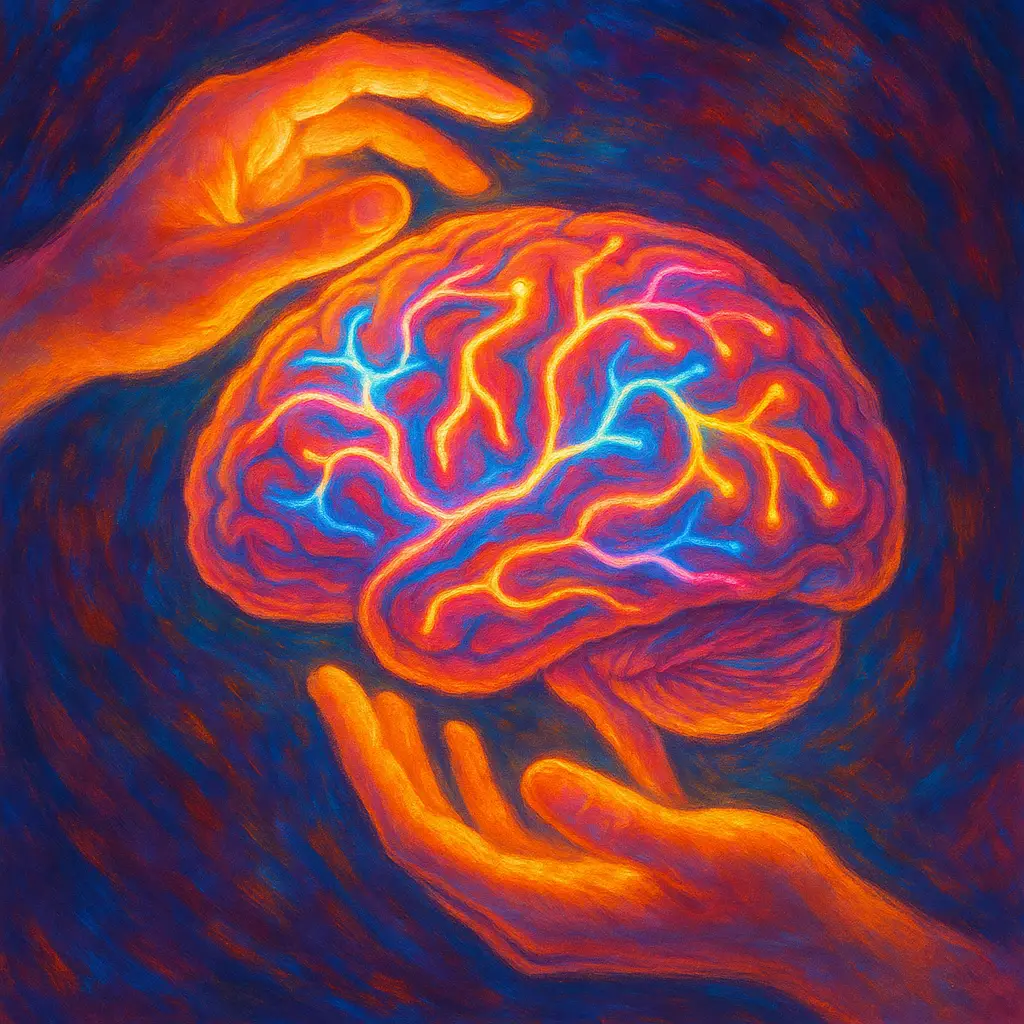
“Rewire Your Brain for Ecstasy: How Intentional Pleasure Mapping Unlocks Sexual Superpowers Through Neuroplasticity!”
In other words, you can train your brain to experience more pleasure and improve your sexual abilities by intentionally exploring what feels good, which changes your brain’s pathways over time.
Did you know?
Through repeated sensory mapping[1]—deliberately exploring and stimulating different body areas to identify and amplify pleasurable sensations—can change brain responses through a phenomenon called neuroplasticity. This process involves the brain adapting and reorganizing itself in response to experience, especially repeated, focused stimulation.
Here’s how it works:
- Expansion of Sensory Maps:With regular stimulation and attention to specific erogenous zones (pleasure spots), the associated regions in the sensory cortex (where our senses are interpreted aka the “feeling area”) can expand or become more strongly activated by those sensations. The brain’s representation of these body parts becomes larger and more interconnected, making subsequent stimulation more intense or pleasurable.
- Strengthening Connections:Practice strengthens the neural pathways between erogenous zones and pleasure centers in the brain, making it easier to experience coordinated and escalating pleasure during stimulation.
- Enhanced Sensation and Pleasure:As pleasurable sensations become linked through repeated experience, the brain can respond more powerfully to them, increasing sensitivity and the potential for orgasm from stimulation that may not have been initially as effective.
- Integration of New Associations:You can “teach” your brain to connect sensations from different body areas, so simultaneous stimulation (such as nipples and clitoris, lips and nipples, feet and hands, etc.) produces a more unified and intense experience.
In summary, repeated sensory mapping leads to measurable changes in the sensory cortex and its connections, making pleasure more accessible and powerful through brain plasticity and learned associations.
Important Note: Traumatic or painful physical experiences can remap the sensory cortex in the brain. This “rewiring” may lead to a decrease or loss of pleasurable sensations, or in some cases, transform normally pleasurable touch into discomfort or pain. The impact of this remapping varies individually, but it demonstrates how our sensory experiences and trauma can reshape the way the brain processes touch and pleasure.
By Dr. Nancy Sutton Pierce
August 29, 2025
[1] Sensory mapping means exploring different parts of your body to figure out what types of touch or stimulation feel best to you. Think of it like making a treasure map for pleasure: you try out gentle, firm, fast, slow touches on places like your skin, nipples, or genitals, then note which ones make you feel good and where. Over time, this helps your brain remember your “hot spots” and what kind of sensations you enjoy most. This includes the practice of simultaneously touching one “hot spot” and one or more “cool or warm spots” to re-map the sensory cortex to increase the pleasure of a greater portion of your body.

The Author
Dr. Nancy Sutton Pierce is a Clinical Sexologist, educator, author, and founder of Conscious Living Concepts™, known for blending western medical knowledge with eastern philosophies to enhance sexual wellness, intimacy, and holistic health. With over 40 years in healthcare, including work as a registered nurse and certified yoga therapist, she helps individuals and couples worldwide embrace authentic sexuality and live more fulfilling lives.


Leave a Reply